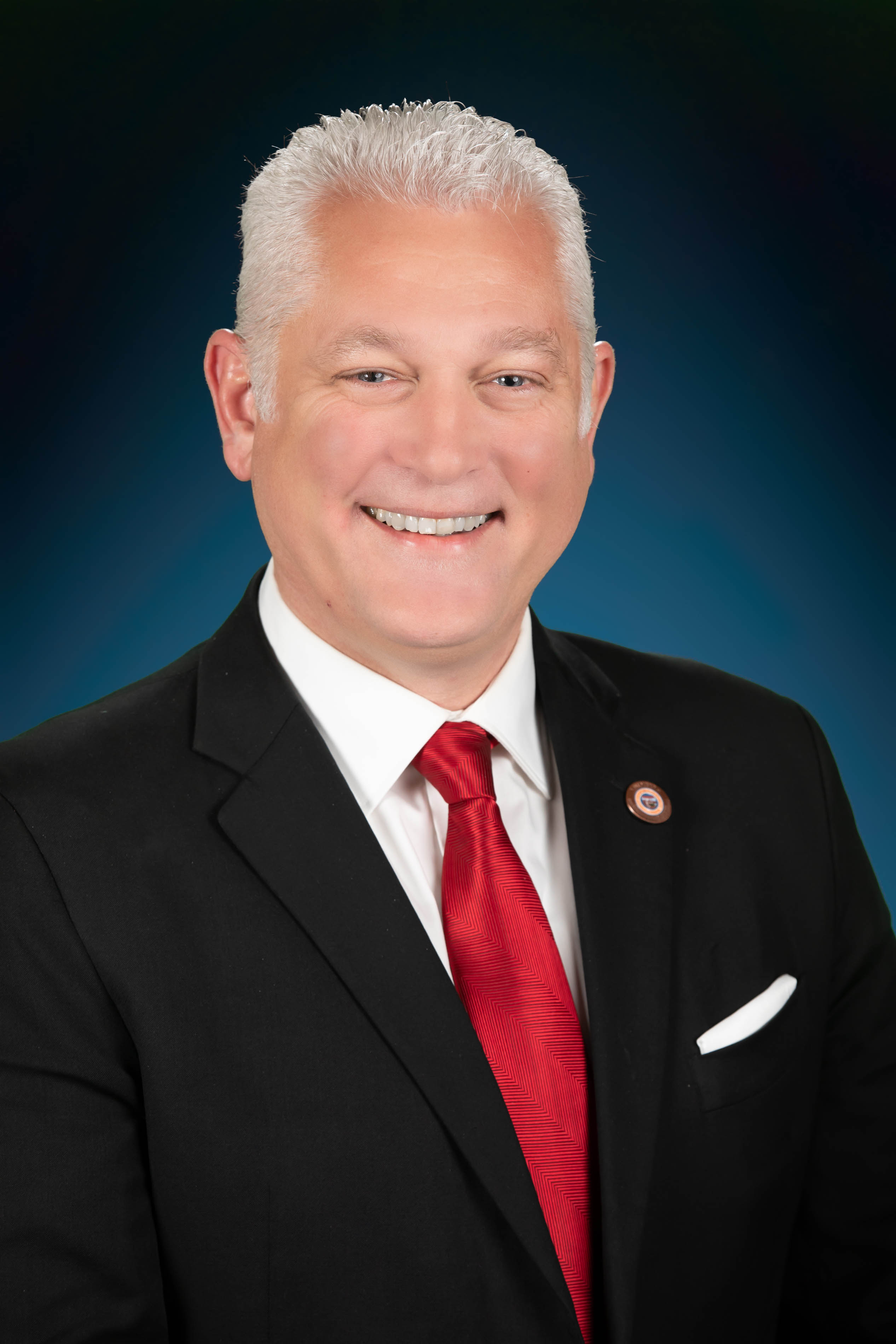
Long Nights, Budget Battles & 400 Senate Bills: Majority Leader Carbone's Capitol Update
In this episode of Birdman at the Arizona Legislature , Birdman sits down with House Majority Leader Michael Carbone for a candid update on where the session stands—and why Arizona lawmakers may be in for a very long stretch. Carbone explains that with committee work wrapping up, the House is shifting into the next major phase: processing roughly 400 Senate bills , handling appropriations, and preparing for an extended period of floor work. He also details how procedural tactics—particularly pulling bills from the consent calendar —are dramatically slowing the process and turning straightforward measures into lengthy floor debates and overnight sessions. The conversation breaks down: What happens after committee reports are completed Why consent calendar fights can double the workload How "division" votes and procedural moves affect floor time Why lawmakers are preparing for more late nights and early mornings What it means when a legislature that is supposed to run about 100 days stretches toward June 30 Carbone also offers a broader look at the budget fight, arguing that House and Senate leadership have been preparing for months on key issues such as: Tax conformity Medicaid and access-related spending The broader fiscal framework for the next state budget According to Carbone, leadership has been ready to negotiate, but with the Governor stepping away from the table, lawmakers now expect a more difficult path forward. He says the House and Senate will likely move ahead by building a budget framework themselves and presenting a package they believe is reasonable and workable. The discussion also turns to a rarely talked-about issue: legislative pay . Carbone notes that Arizona legislators still earn $24,000 a year , a figure unchanged since 1998, despite the role increasingly functioning as a full-time job. He explains why proposals are emerging to let voters decide whether compensation should be adjusted by inflation or by an independent commission—rather than ha